
PA Medicaid Enrollment for Therapists: PROMISe and ePEAP
By George Ruan • October 9, 2026
Last updated: October 9, 2026.
Sections
- Start with the official electronic enrollment application
- What does ePEAP mean in current PROMISe instructions?
- Confirm the LPC, LMFT, or LCSW specialty for your arrangement
- Why older BH-MCO material may say 11/112
- Prepare the LCSW or psychologist documentation
- Psychologists use provider type 19
- Separate group payment assignment and network approval
- Related Pennsylvania Medicaid guides
- Frequently Asked Questions
Start with the official electronic enrollment application
Use DHS’s new electronic provider enrollment application for a new MA provider. The enrollment manual distinguishes a new application, new service location, revalidation, reactivation, and change request. Select the action matching your existing enrollment rather than creating a duplicate record.
DHS electronic provider enrollment: start new application
DHS electronic enrollment manual
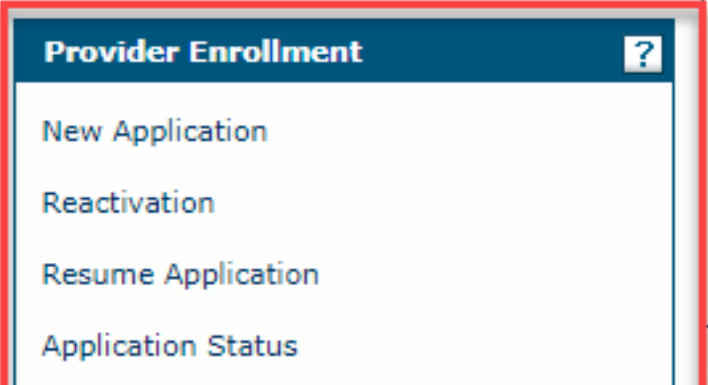
Screenshot source: PROMISe Provider Internet User Manual v5.50 (July 9, 2025), PDF/printed page 251.
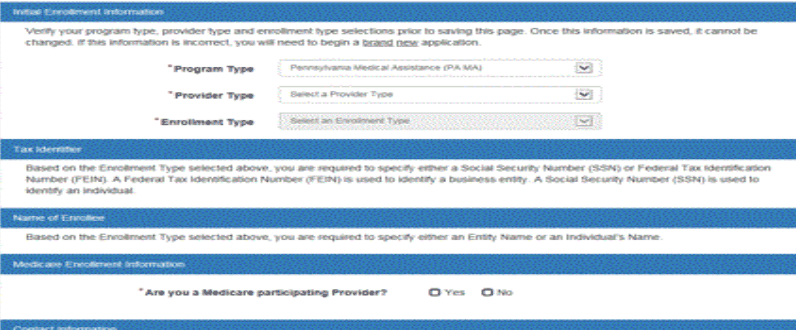
Screenshot source: PROMISe Provider Internet User Manual v5.50 (July 9, 2025), PDF/printed page 258.
What does ePEAP mean in current PROMISe instructions?
Older instructions refer to ePEAP. The July 2025 Internet Help Manual places Enrollment Summary in Provider Services on My Home. Use the current portal links and action-specific instructions; new enrollment and maintenance of an existing record are different tasks.
DHS Electronic Provider Enrollment User Manual, August 2022
PROMISe Internet Help Manual, July 2025
Confirm the LPC, LMFT, or LCSW specialty for your arrangement
The DHS code list includes type 11 specialties 594 for LPC, 593 for LMFT, 116 for LCSW, and 112 for Outpatient Practitioner-MH. These are not interchangeable. Ask DHS and the intended BH-MCO which enrollment specialty and Provider Eligibility Program match your license, service, and billing arrangement.
DHS provider type and specialty codes
Why older BH-MCO material may say 11/112
DHS’s July 2024 taxonomy crosswalk associates 11/112 with counselor, social worker, and marriage-and-family therapist taxonomies. A code listing alone does not establish that your services are payable through FFS. Resolve the intended program with enrollment staff before choosing a specialty.
DHS provider type, specialty, and taxonomy crosswalk, July 2024
Prepare the LCSW or psychologist documentation
Use the type-specific requirements linked from DHS’s enrollment documents page. For LCSWs, the posted checklist calls for an individual application, signed agreement, ownership disclosure, and license, with additional items where applicable. Do not use an agency checklist merely because it also sits under type 11.
DHS social worker enrollment requirements, February 2017
Psychologists use provider type 19
DHS’s psychologist checklist covers individual and group applications separately. An individual needs the agreement, ownership disclosure, and license; a group has additional organization and group-member documentation. Choose the psychologist specialty that describes the services, using the current requirements page.
DHS psychologist enrollment requirements, May 2021
Separate group payment assignment and network approval
DHS describes a group as the payment entity and the individual clinician as the rendering provider. Use the existing fee-assignment guide for that relationship. State enrollment does not guarantee a place in an MCO network; obtain the responsible plan’s participation decision separately.
DHS provider enrollment FAQs: individual and group practices
DHS: enroll as a Medicaid provider
Related Pennsylvania Medicaid guides
Frequently Asked Questions
Should every therapist choose provider type 17?
No. Match the actual license and service to DHS’s provider type and specialty list; LPCs, LMFTs, LCSWs, and psychologists have specific categories.
Is 11/112 the only code relevant to an LPC or LMFT?
No. DHS also lists license-specific specialties 594 and 593. Confirm the appropriate program and arrangement with DHS and the BH-MCO.
Where do I check an application after submitting it?
Keep the Application Tracking Number and use the existing PROMISe application-status guide linked below.
Growing a group practice?
Bomi helps coordinate insurance operations across providers, payers, rosters, claims, denials, and reporting.
See group support
About Bomi
Founded by George Ruan, Dax Earl, and Andrey Goder, Bomi helps independent therapists and group practices with insurance billing, credentialing, and payer follow-up. Bomi grew out of Dax’s experience helping his mother with her therapy practice, with a clear purpose: reduce the administrative burden of insurance while keeping practice owners in control.
Meet our founders